
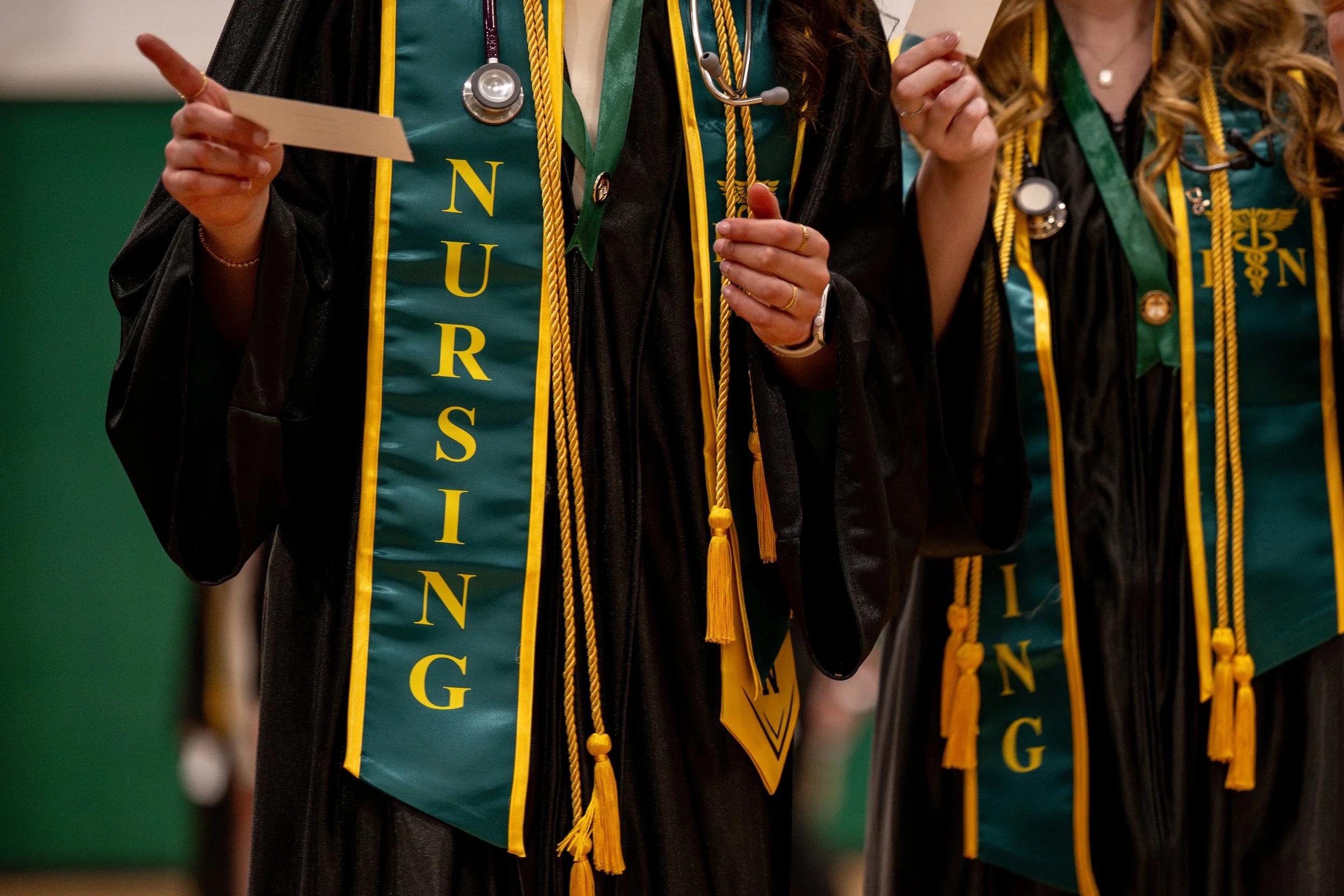
For nursing students, writing a resume can feel unusually difficult. You may have hundreds of hours of clinical training but very little traditional nursing employment to show for it. The key is understanding that employers hiring nursing students and new graduates are not expecting the resume of an experienced RN. They are looking for evidence of clinical exposure, relevant skills, education, certifications, professionalism, and readiness to transition into practice.
Here are five common nursing student resume questions and how I recommend approaching them.
1. What should I put on a nursing resume if I have no nursing experience?
Start by redefining what counts as relevant experience.
A nursing student may not have worked professionally as an RN, but clinical rotations, practicums, preceptorships, healthcare employment, volunteer work, nursing organizations, research, and relevant academic projects can all help establish qualifications.
Clinical experience is particularly important for entry-level nursing candidates. Guidance for new nursing graduates commonly recommends highlighting education and clinical experience when professional nursing experience is limited.
A strong nursing student resume might include:
Nursing education and anticipated graduation date
Clinical rotations or preceptorships
Relevant healthcare employment such as CNA, PCT, medical assistant, or unit secretary experience
BLS and other applicable certifications
Nursing-related technical and clinical skills
Leadership, volunteer, or student nursing association involvement
Relevant employment demonstrating communication, teamwork, customer service, or responsibility
Do not try to disguise the fact that you are a student. Build the resume around the qualifications you have already developed.
2. Should nursing students put clinical rotations on their resume?
Yes, particularly when you are applying for internships, nurse residency programs, externships, or your first RN position.
Clinical rotations help employers understand where you have trained, the patient populations you have encountered, and the types of care environments you have experienced. Nursing resume guidance specifically recommends identifying the healthcare facility, unit or department, dates, responsibilities, patient populations, and potentially clinical hours associated with rotations.
The mistake is listing every rotation as though simply completing it is an accomplishment.
Instead, give greater attention to experiences that align with your target position. A student pursuing an ICU residency, for example, may want to provide more detail about critical care, emergency, or higher-acuity rotations than an unrelated clinical assignment.
Your clinical section could identify the facility, specialty, and semester followed by one or two concise bullets covering meaningful exposure, patient care activities, documentation systems, interdisciplinary collaboration, or procedures performed under supervision.
The goal is context, not a transcript of nursing school.
3. Does a nursing student resume need an objective or professional summary?
It can, but it needs to say something useful.
Traditional objectives such as “Seeking a nursing position where I can grow my skills while helping patients” consume valuable space without differentiating the applicant.
For a nursing student or new graduate, a short summary can establish your degree, anticipated graduation or licensure status, relevant clinical exposure, certifications, and the type of nursing opportunity you are pursuing. Current guidance for nursing graduates also recognizes summaries and objectives as ways to introduce education, clinical experience, skills, and career direction.
For example, rather than describing yourself as a “hardworking and compassionate nursing student,” establish actual qualifications:
BSN candidate completing 700+ clinical hours across medical-surgical, critical care, maternal-child, behavioral health, and community settings. BLS certified with additional patient-care experience as a Patient Care Technician in a high-volume acute care environment. Pursuing a New Graduate RN opportunity in critical care.
Specific information gives the employer something to evaluate.
4. What skills should a nursing student put on a resume?
Prioritize skills you can credibly support through education, clinical training, certification, or employment.
Depending on your experience, these might include patient assessment, vital signs, medication administration, electronic medical records, sterile technique, wound care, infection prevention, patient education, care planning, documentation, specimen collection, or interdisciplinary communication. Common nursing resume guidance similarly emphasizes a combination of clinical skills and professional capabilities relevant to the position.
Certifications such as BLS should also be clearly identified, along with the issuing organization when appropriate. Once you have obtained nursing licensure, that information should be easy for an employer to locate.
Avoid filling the skills section with personality traits such as “hardworking,” “motivated,” or “compassionate.” Those qualities are difficult to substantiate on a resume.
Use the space for qualifications recruiters can actually match against the position.
5. How should I tailor my nursing student resume for a specific hospital or nurse residency?
Read the job posting as a qualification checklist.
Look for the specialty, patient population, required certifications, preferred clinical exposure, technology, terminology, and competencies the employer repeatedly mentions. Then determine which of those qualifications you legitimately possess and make sure they are visible in your resume.
This does not mean copying keywords into a skills section simply to satisfy an applicant tracking system. It means positioning relevant experience where the employer can actually understand it.
If a nurse residency emphasizes acute care experience, your applicable medical-surgical, emergency, ICU, or preceptorship experience should not be buried near the bottom of the resume. If the position emphasizes Epic, patient education, interdisciplinary collaboration, or evidence-based practice and you have experience in those areas, say so specifically.
Resumes should be tailored to the organization and opportunity rather than treated as one document submitted everywhere.
Your Nursing Resume Should Show Readiness, Not Years of Experience
A nursing student resume has a different job than the resume of an experienced RN.
You are demonstrating how your education, clinical training, certifications, healthcare exposure, and transferable experience have prepared you for the next level of responsibility. The strongest resumes make those connections easy for recruiters and nurse managers to see.
If you are a nursing student, recent graduate, or healthcare professional who needs help translating your experience into a stronger resume, Vitae Express provides professional resume writing and career services for clients throughout Tampa Bay and nationwide. Contact me to discuss your goals and how we can position your background for the nursing opportunities you are pursuing.